CRM AND LOYALTY IN
SAAS DASHBOARD
Building a Retention Flywheel Inside an Operational Restaurant Solution
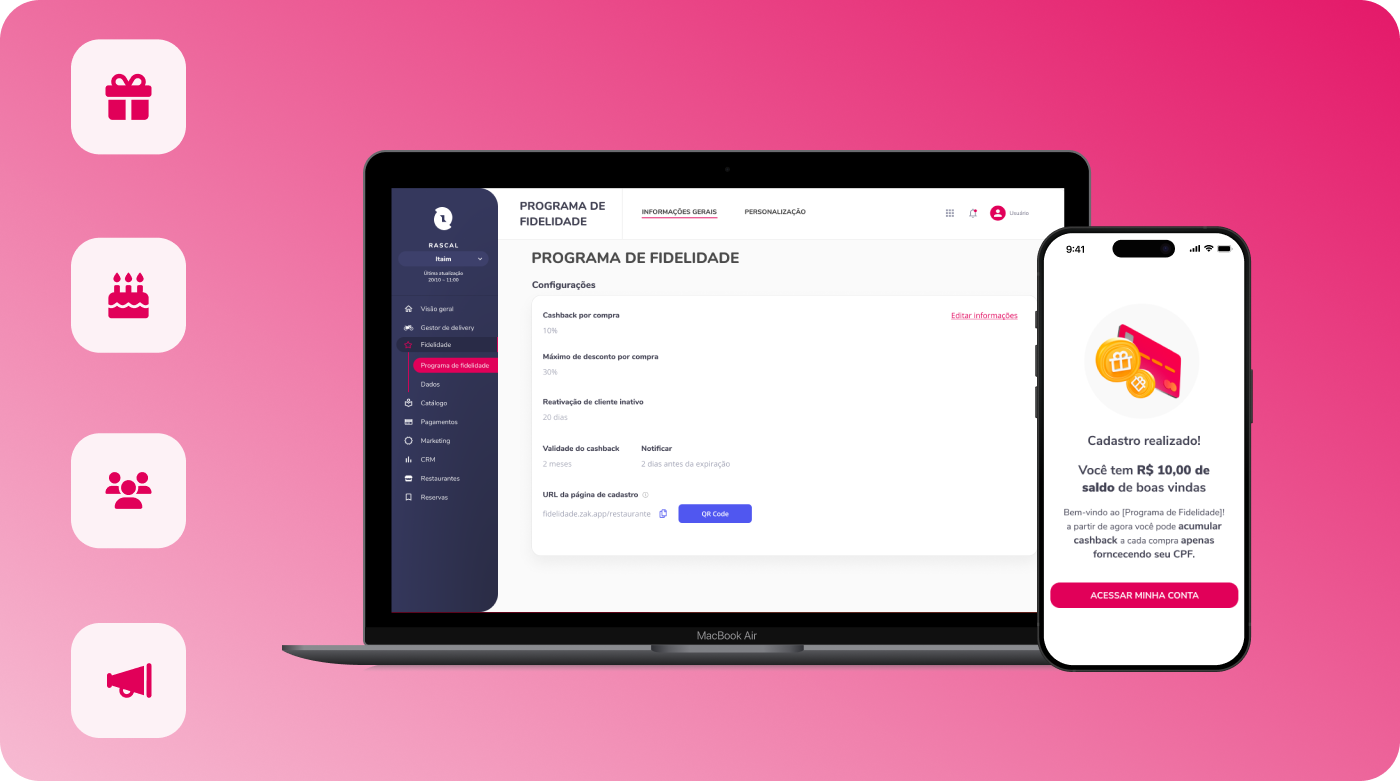
Building a Retention Flywheel Inside an Operational Restaurant Solution
Zak is an end-to-end SaaS platform for restaurants, focused primarily on operational efficiency. Payments, inventory, fiscal management, and administrative workflows were already well established. The challenge was not operational — it was strategic.
Small and mid-sized restaurants lacked structured customer databases, had no visibility into retention, and relied heavily on organic foot traffic. The platform helped them operate better, but it did not actively support growth. The opportunity was clear: transform Zak from an operational tool into a growth platform by building a configurable, automated credit-based loyalty system deeply integrated into restaurant operations.
Role
Product Designer
Duration
4 months (May — August)
Platform
Web Dashboard & White-label Mobile
Industry
Restaurant SaaS / FoodTech
Tools
As Product Designer, I operated beyond interface design — shaping the strategic architecture and business logic that powered the entire retention engine.
Campaign Engine Architecture
Structured the logic behind the four lifecycle-based campaign models and their convergence parameters.
Payment Integration Flows
Modeled the critical payment integration ensuring loyalty was embedded into the product's core.
Financial Logic Simplification
Simplified complex financial concepts into scalable abstractions accessible to non-technical restaurant owners.
MVP Prioritization & Prototyping
Defined scope alongside PO and Tech Lead, delivered high-fidelity prototypes ready for development.
A structured, hypothesis-driven approach that balanced business strategy with user-centered design.
Market analysis on loyalty in food service. Competitive benchmarking (Starbucks, Panera, Chipotle). Stakeholder interviews with restaurant owners and consumer behavior studies.
Product thesis and hypothesis framing. Campaign engine architecture modeling. User persona mapping (owner + consumer) and MVP scope prioritization with PO & Tech Lead.
Collaborative workshops with cross-functional teams. Low-fidelity wireframing, flow mapping, high-fidelity prototyping in Figma, and critical payment integration flow design.
Prototype review with development team. Pilot launch in 3 restaurants in São Paulo. KPI tracking, adoption metrics analysis, and iteration planning for future releases.
A 4-month sprint from May to August — structured to deliver measurable impact first, sophistication later.
May
Discovery
June
Definition & Design
July
Hi-fi & Handoff
August
Pilot & Validation
Collaborative sessions that shaped the product direction and aligned stakeholders on the retention strategy.
Open ideation sessions exploring reward models, campaign types, and integration touchpoints. The team evaluated points-per-dollar, stamp-based, and cashback/credit approaches before converging on the credit model.
Cross-functional workshops with product, engineering, and business teams to define the four lifecycle-based campaign models: Welcome Bonus, Birthday, Referral, and Reactivation — ensuring strategic alignment with growth objectives.
Eight feature proposals were evaluated using an impact-vs-effort matrix, prioritizing customer frequency, program participation, and operational automation. The MVP scope was defined to deliver measurable impact first, sophistication later.
The key workshop insight was that all campaigns should converge around two core parameters: benefit value and expiration period. This abstraction reduced technical complexity, created mental consistency for users, and ensured future scalability.
Before designing any interface, we structured a business hypothesis: if we enable restaurants to build their own customer database, increase purchase frequency, incentivize referrals, and reactivate inactive customers — then we increase retention, average ticket size, and the perceived value of Zak itself.
5%
increase in retention can drive up to 95% profit growth
67%
more spending from loyal customers vs. new ones
63%
of consumers aged 18–44 increase spending due to loyalty programs
The solution was designed across three interconnected layers, each working independently while generating compounding value when connected.
Web Dashboard
The restaurant owner's control center. Configures cashback rules, manages automated campaigns (Welcome, Birthday, Referral, Reactivation), monitors customer data, and tracks key revenue metrics.
Campaign & Loyalty Engine
The backend brain. Processes cashback percentages, credit expiration rules, inactivity reactivation thresholds, and referral rewards. Automates campaign triggers and connects dashboard decisions to customer-facing outputs.
White-label Customer App
The consumer touchpoint. Accessed via QR code — no download needed. Handles registration, displays the digital wallet with real-time balance, enables share-and-earn referrals, and delivers reward notifications.
Each layer was designed to function independently — a restaurant can use only the dashboard, only the customer app, or the full stack. But the compounding effect happens when all three connect.
Three distinct personas interact with the loyalty ecosystem — each with unique goals, frustrations, and journeys through the platform.
Onboarding Call
Success team walks through setup
QR Code Deploy
Place QR codes on tables & receipts
First Campaign
Launch welcome cashback offer
Data Accumulation
Customer profiles build over time
Reactivation Push
Target dormant customers
Retention Growth
Monitor metrics & optimize
Emotional Arc
Curious
Anxious
Hopeful
Engaged
Confident
Empowered
Key Touchpoints
Pain Points & Opportunities
Built under tight time constraints with a lean team — prioritizing a minimum viable retention engine.
Configurable Cashback
Restaurant owners set their own percentages and limits
Four Automated Campaigns
Welcome, Birthday, Referral, and Reactivation
Payment Integration
Loyalty embedded into the core POS flow
Core Reporting
Essential metrics for measuring program impact
Advanced Segmentation
Customer clustering by behavior, spend, and frequency
Automation Layers
Smart triggers based on purchase patterns
Personalized Marketing Campaigns
Targeted messaging based on consumer data
Social Media Integration
Direct sharing and engagement tracking
The dashboard centralizes financial logic and campaign management for restaurant owners with limited time and marketing maturity.
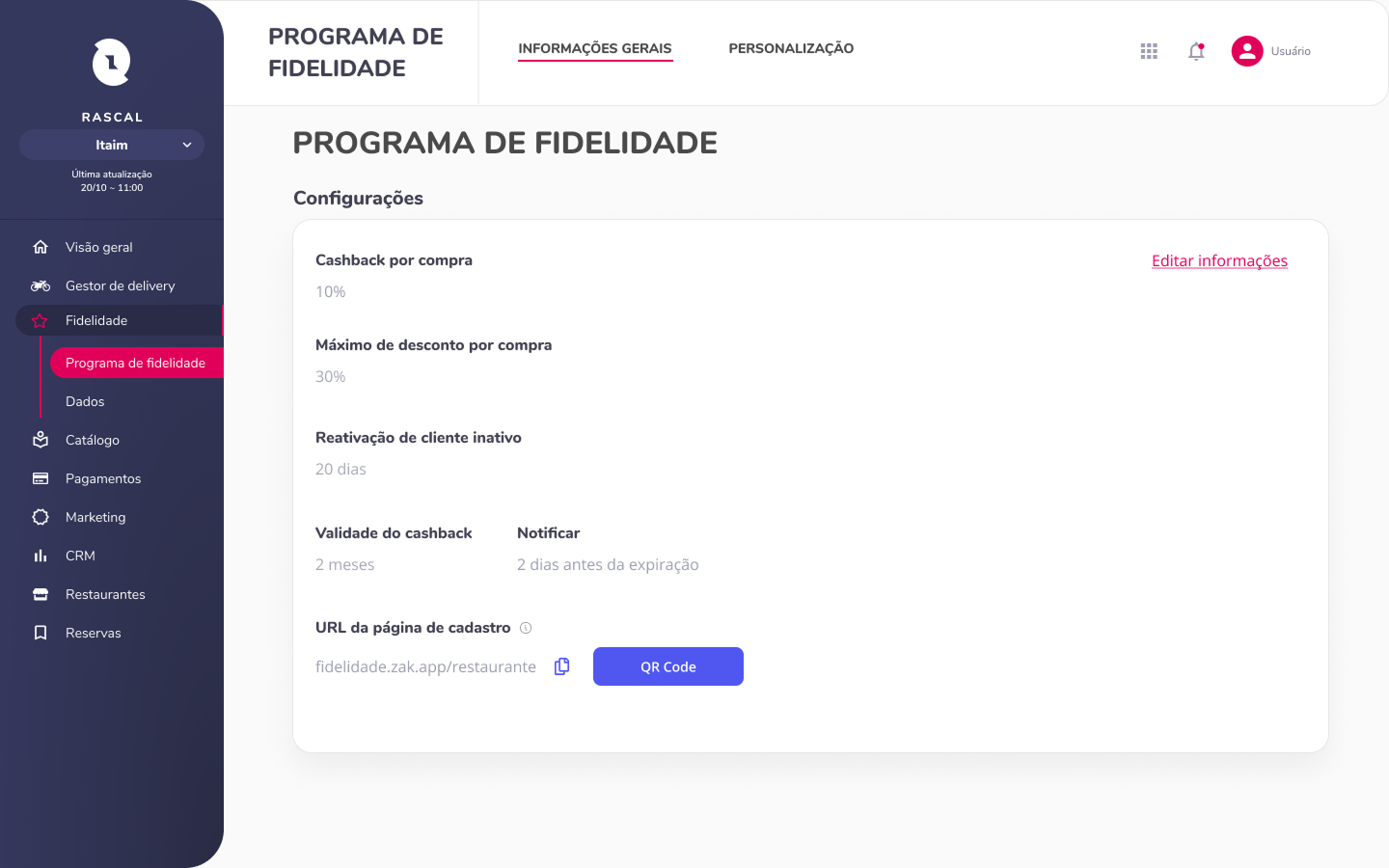
Fig. 2 — Dashboard overview: Loyalty program configuration panel with cashback settings, expiration rules, and QR code access
This screen centralizes the program's financial logic: cashback percentage, maximum discount per purchase, credit expiration rules, inactivity reactivation threshold, and direct access to the customer QR code.
The design decision was to consolidate financial complexity into a single clear control point. Reducing cognitive load was critical for the primary users — restaurant owners and managers.
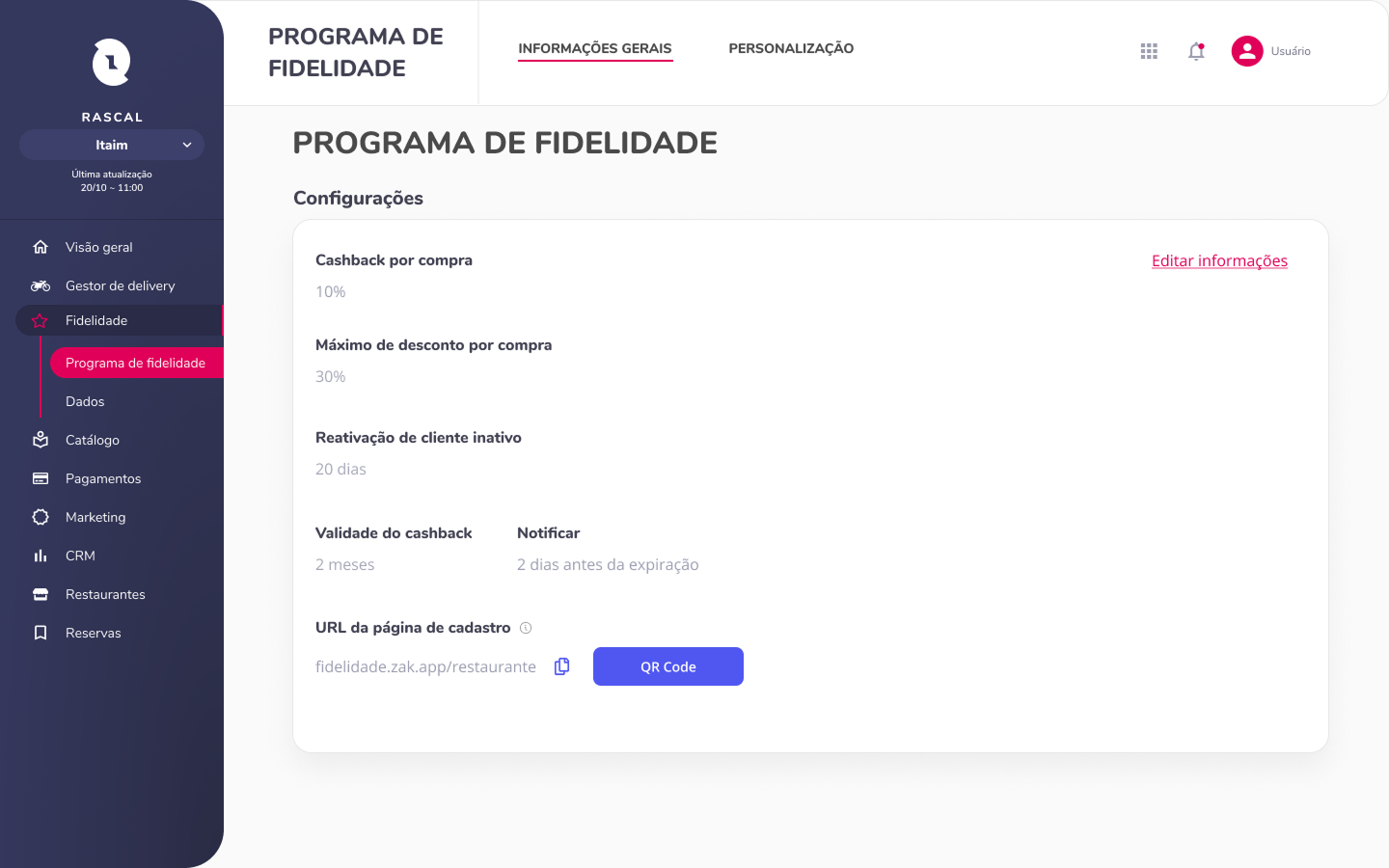
Fig. 3 — General Settings: Cashback %, max discount, expiration rules, and QR code
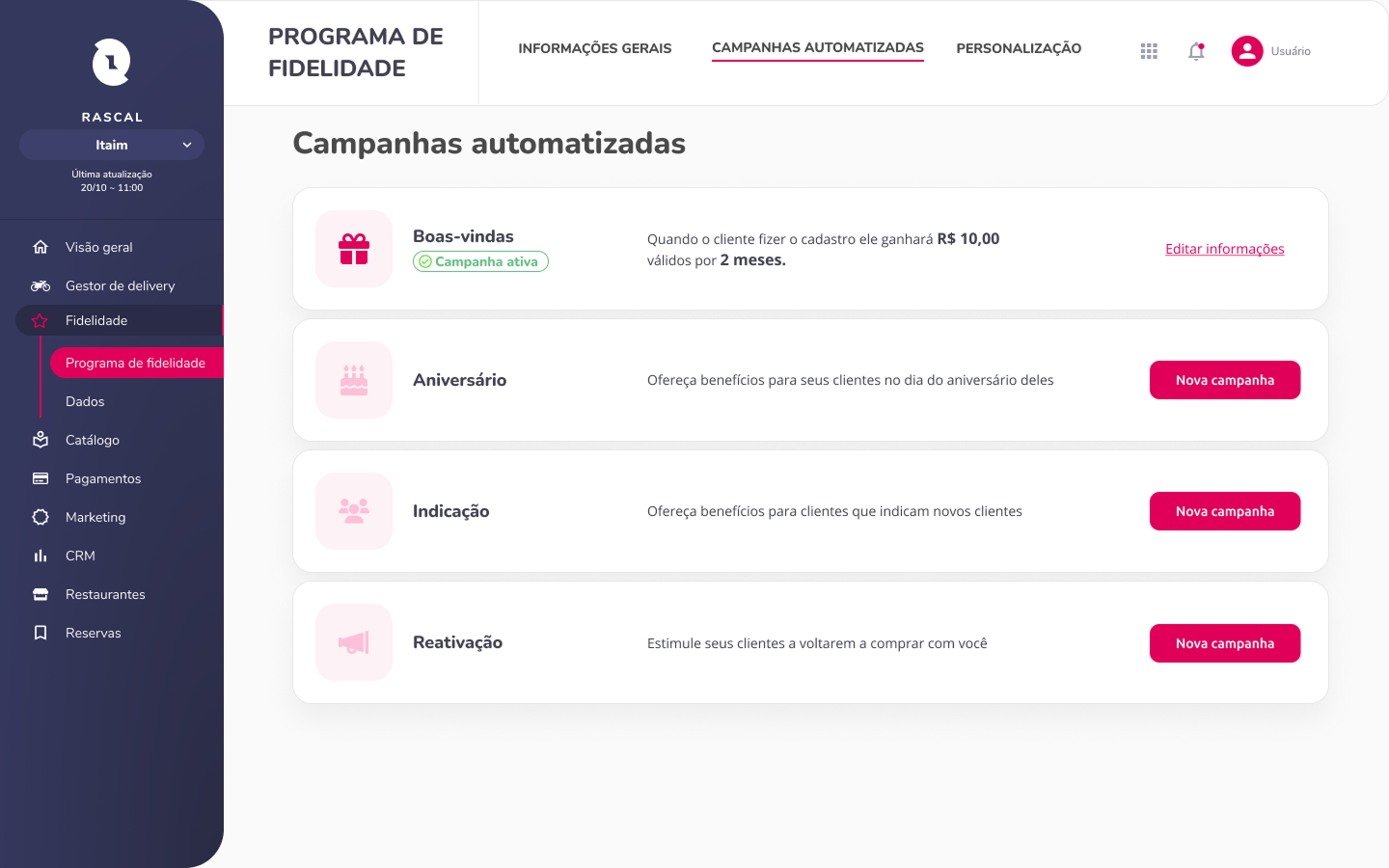
Fig. 4 — Automated Campaigns: Welcome, Birthday, Referral, and Reactivation modules
Each campaign is presented as an independent module within a unified logic. The card structure clearly communicates campaign purpose, status, and primary action.
Limiting the system to four structured campaign types reduces complexity while guiding restaurants toward lifecycle thinking instead of isolated promotions.
Key metrics are positioned at the top of the dashboard: registered customers, total purchases, total discounts granted, average ticket size, and total revenue generated.
This positioning reframes the module as a strategic management tool, not just an operational feature. Retention becomes measurable.
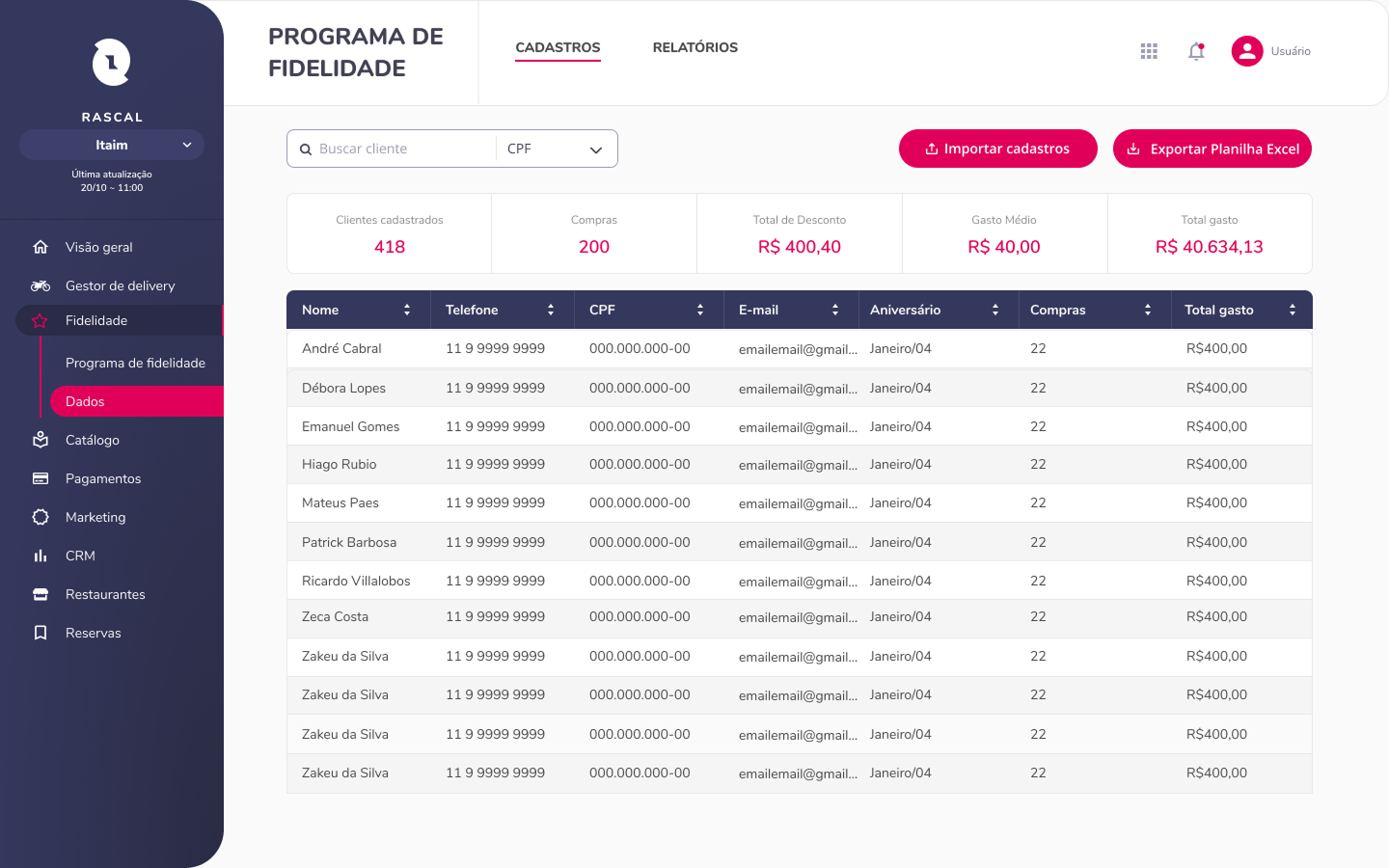
Fig. 5 — Customers & Reports: CRM table with registered customers, purchases, and revenue data
The payment moment is the most sensitive operational touchpoint. If the loyalty system is not seamlessly integrated here, it becomes irrelevant.
Fig. 6 — Payment flow: CPF identification, credit application, and discount confirmation before checkout
Identification Before Confirmation
Customer CPF identification happens before confirming the final amount, maximizing capture and preventing missed database opportunities.
Credit Before Payment Method
The discount is applied before selecting debit, cash, voucher, or credit card — avoiding financial conflicts and operational friction.
Explicit Final Value Confirmation
The system clearly displays the updated total before completion, reducing operational risk and increasing trust.
The program integrates naturally into real restaurant behavior — no app download required. The QR code bridges physical and digital experiences without installation friction.
Fig. 7 — End-to-end customer journey: Arrival → Menu → Order → QR Code → Register → Consume → Pay → Leave
No App Download Required
The program integrates via QR code at the table, bridging physical and digital without installation friction. Customers engage instantly.
Immediate Reward on Registration
Welcome credit appears instantly upon sign-up, triggering perceived gain and significantly increasing return probability.
Journey Enhancement, Not Interruption
The loyalty experience flows naturally within the dining journey — from arrival through payment — rather than creating friction or requiring extra steps.
Staff-Assisted Fallback
If the customer doesn't scan the QR code, the staff approach at bill time ensures no opportunity is missed for registration and engagement.
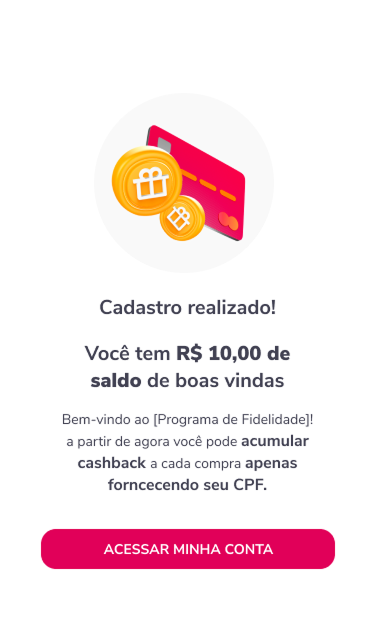
Registration success confirms account creation instantly.
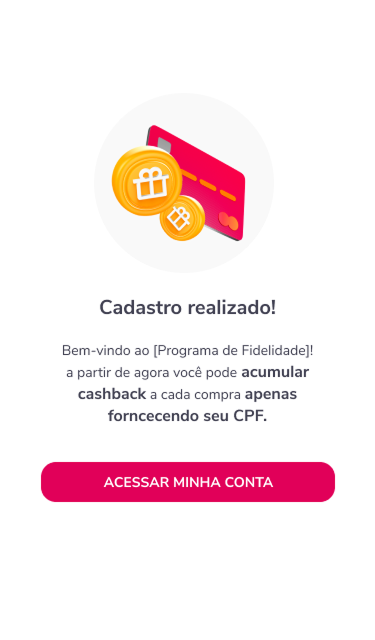
Welcome credit appears immediately, reinforcing instant value.
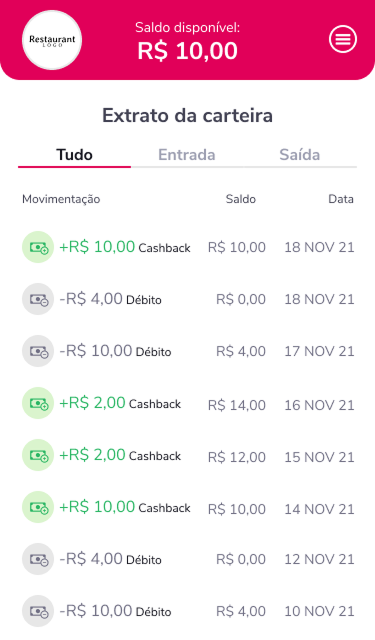
Balance always visible. Transaction history builds transparency and trust.
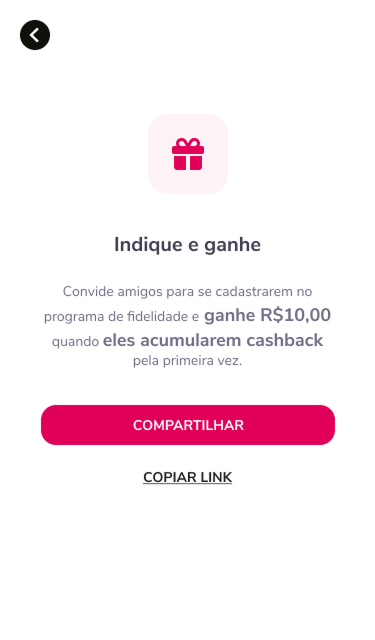
Share and Copy Link turn customers into acquisition channels.
Fig. 8–11 — White-label customer experience: Registration, welcome credit, digital wallet, and referral flow
The visual foundation powering the Loyalty Program experience — colors, type, components, and layout tokens.
Primary — Pink
Neutrals
Semantic
Primary
Secondary
Tertiary
Ghost
Link
Sizes
Default
Focused
Filled
Disabled
Error
This field is required
With Icon
Default
Focused / Open
Filled
Disabled
Error
Please select an option
Filled
Outlined
Duotone
4px
Base Unit
8px
Element Gap
24px
Component Padding
32px
Section Gap
The pilot launched in three restaurants in São Paulo — two small and one mid-sized.
Restaurants immediately understood and adopted the credit-based loyalty model.
QR-code driven registration required no app download, maximizing customer capture.
The cashback/credit approach resonated with both restaurant owners and consumers.
This was not the launch of a feature. It was the introduction of a new strategic growth layer inside the product — transforming Zak from an operational management tool into a growth partner for restaurants.