INTERNAL BACK OFFICE
Designing a unified internal platform for customer service, credit management, and operational reporting at DM
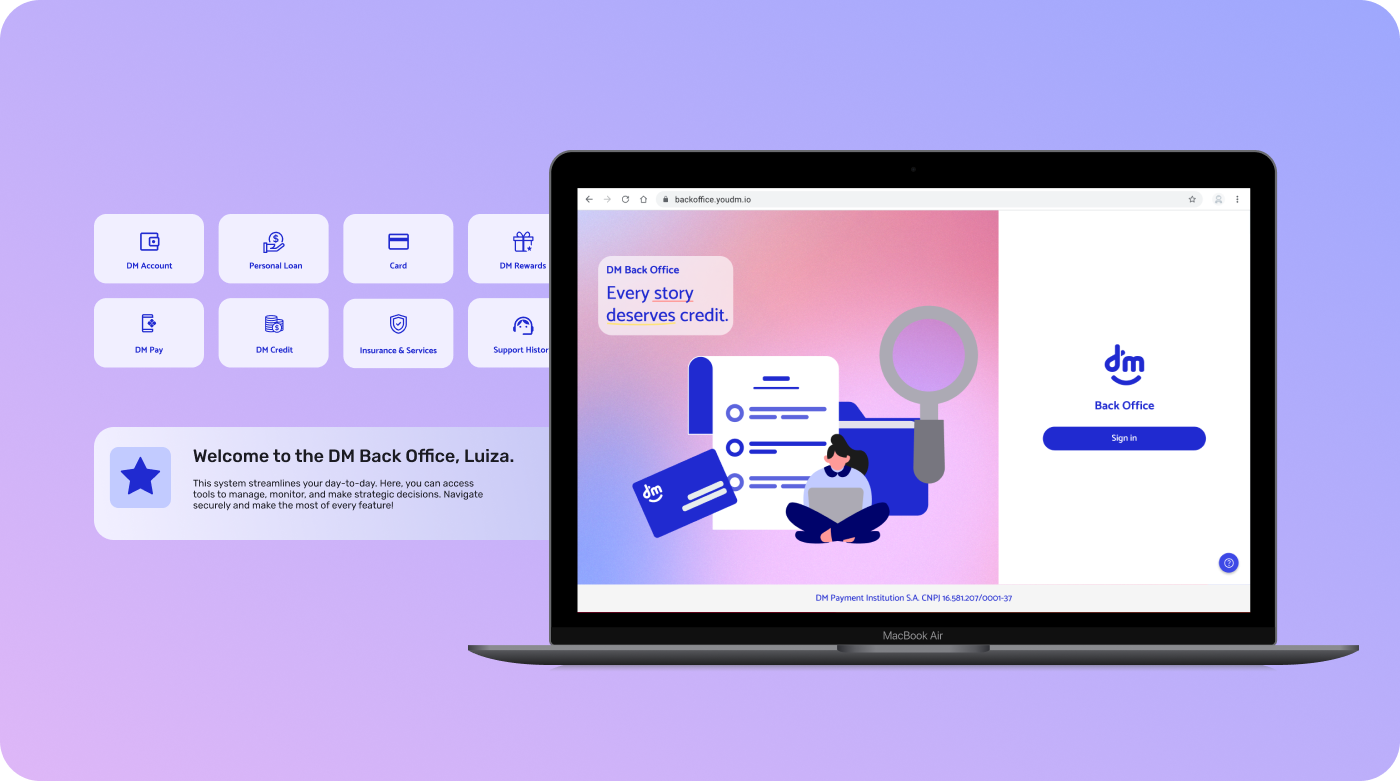
Designing a unified internal platform for customer service, credit management, and operational reporting at DM
I led the design of DM's unified internal back office platform, consolidating multiple legacy tools into a single web application. This was a mission-critical project that would serve 200+ internal operators across customer service, credit operations, and compliance teams.
The platform required seamless integration of three core modules (Atendimento/Customer Service, SMS Reporting, and Siscred/Credit Operations) with unified SSO authentication, modular navigation, and role-based access controls. The design focused on reducing operational friction, improving data visibility, and accelerating case resolution times.
The result was a modern, accessible web application that eliminated context-switching between systems and gave operators a single source of truth for customer data and compliance audits.
Role
Senior Product Designer
Duration
8 months
Platform
Web Application (Desktop)
Tools
Team
1 PO, 2 Devs, 1 QA
DM's operations teams were drowning in fragmentation. Our operators switched between 4+ separate systems daily, each with its own login, interface, and data model. This created inefficiency, errors, and frustration. Here's what we found:
Measurable outcomes from the unified back office platform redesign.
Single sign-on authentication replaced 4+ separate login systems, reducing friction and improving security compliance.
Centralized hub with role-based module access — Atendimento, SMS Reports, DM Cred — all in one unified interface.
Consistent component library with accessibility standards, reducing training time and ensuring brand cohesion across all modules.
200+
Operators Onboarded
3
Modules Launched
62%
Faster Resolution
99%
Audit Coverage
A structured Double Diamond approach adapted for the complexity of unifying multiple internal tools into one cohesive platform.
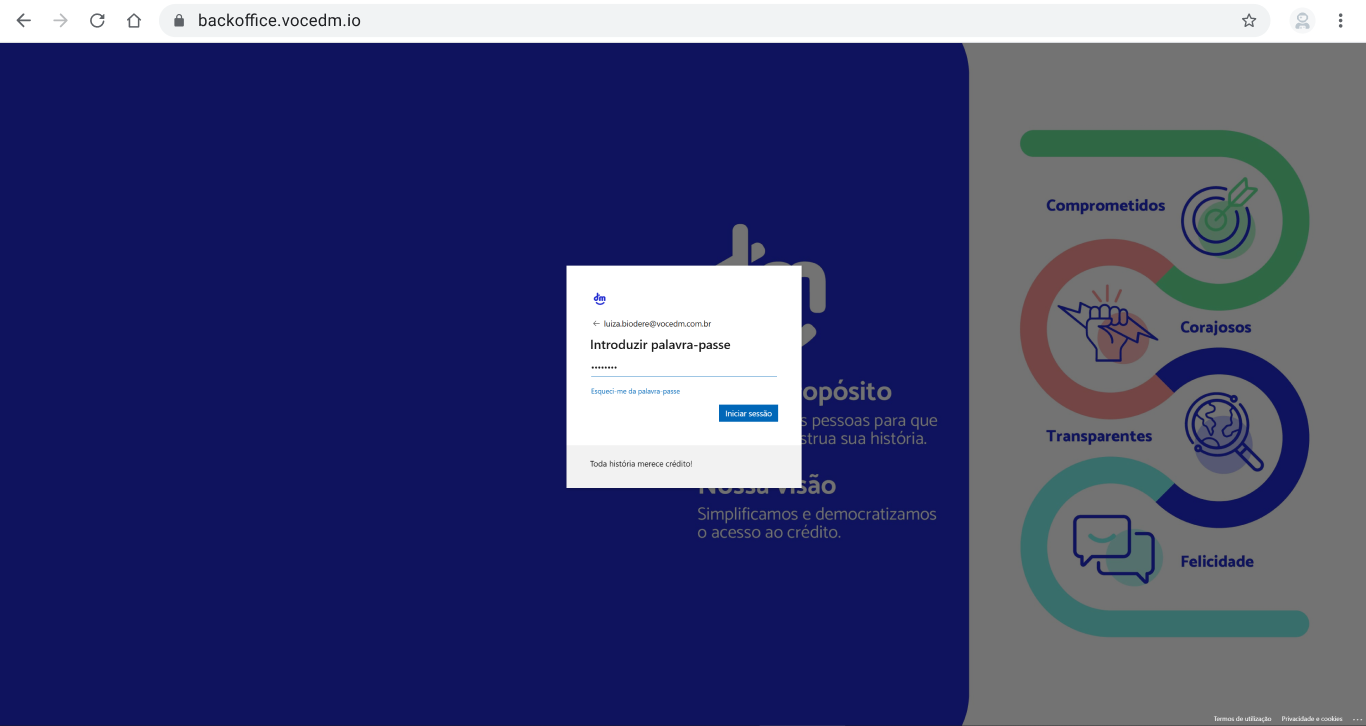
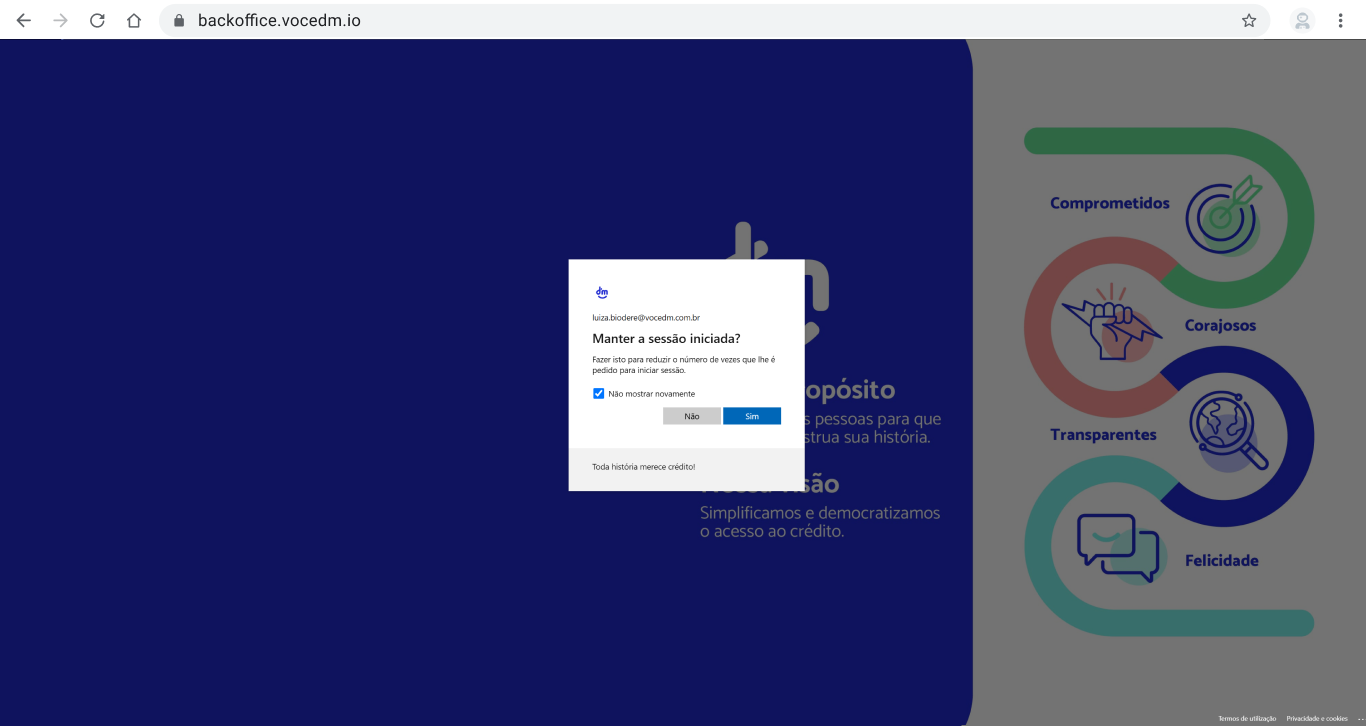
How operators access the unified platform through SSO and navigate to their designated modules.
Before jumping into high-fidelity screens, we built low-fidelity wireframes to map out the core structure, layout hierarchy, and interaction flow of each module. This step was essential to validate navigation patterns, content placement, and user expectations with stakeholders early on — without the distraction of visual styling. By testing with grayscale wireframes first, we caught critical usability issues at a stage where changes cost minutes instead of days, resulting in a much stronger final design.
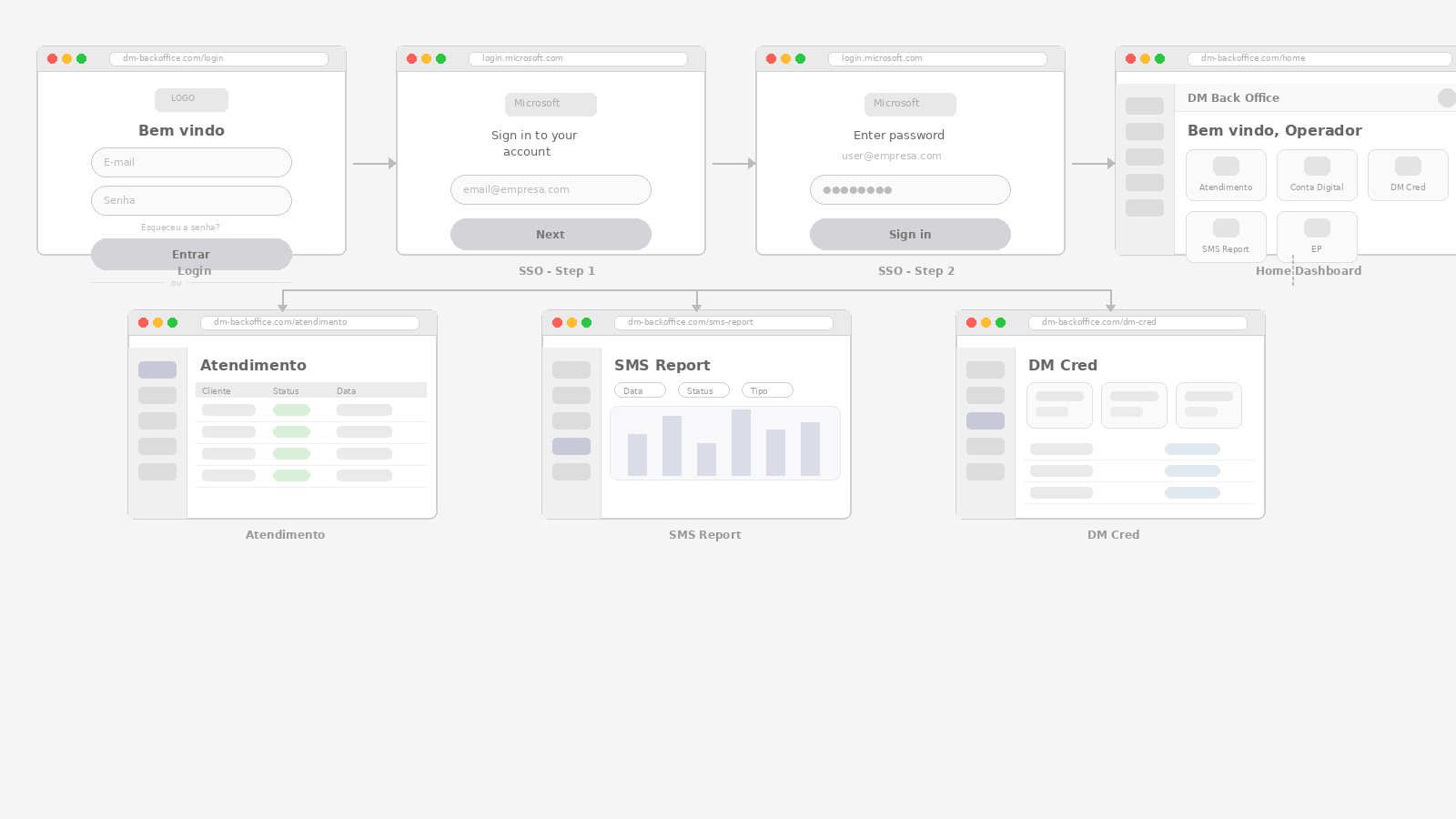
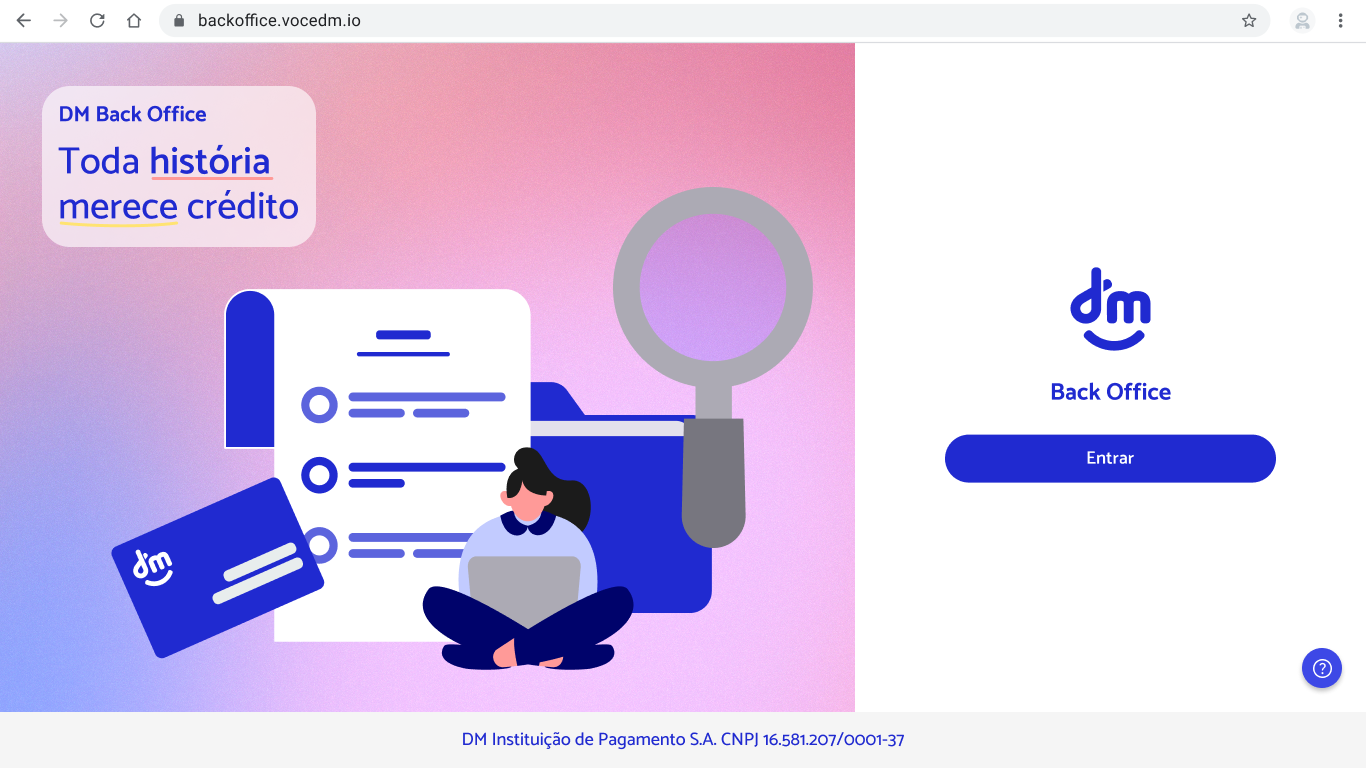
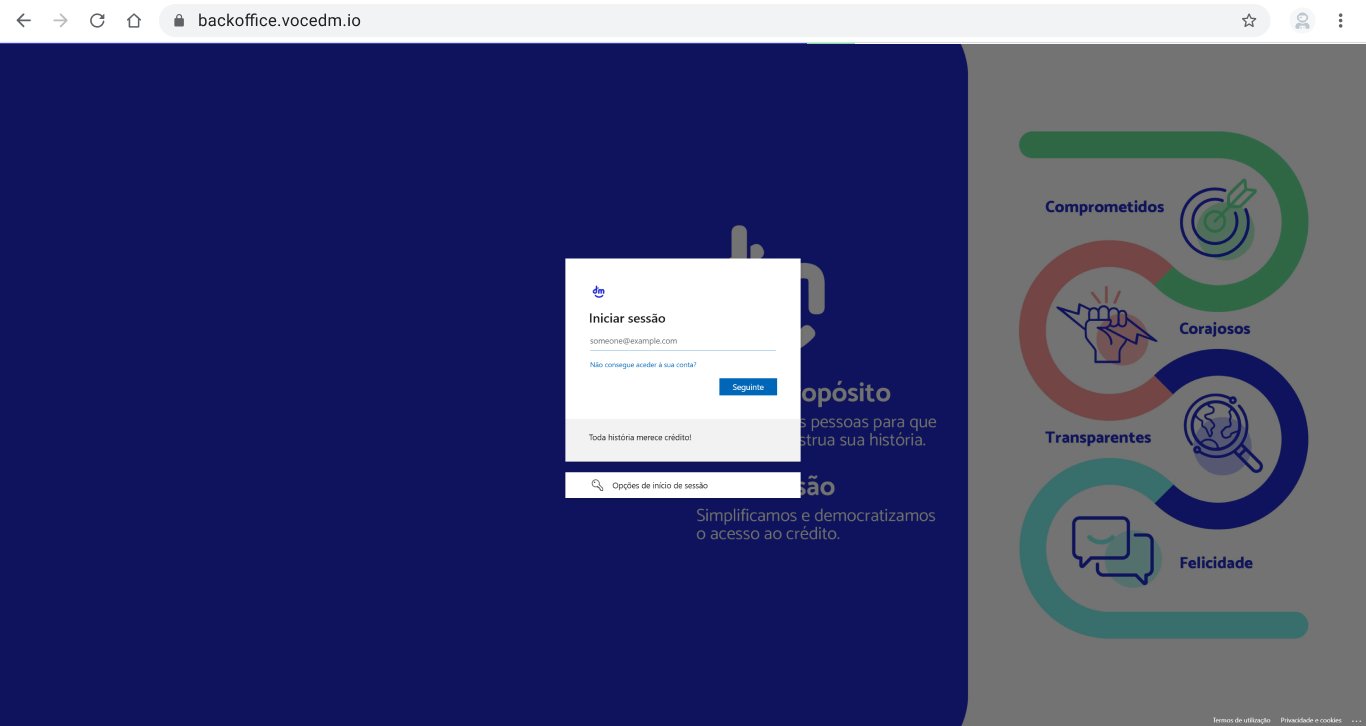
Implemented Microsoft SSO integration, replacing 4 separate login systems with a single sign-on experience. Operators now access all modules through one secure authentication flow, eliminating password management friction and creating a unified entry point.
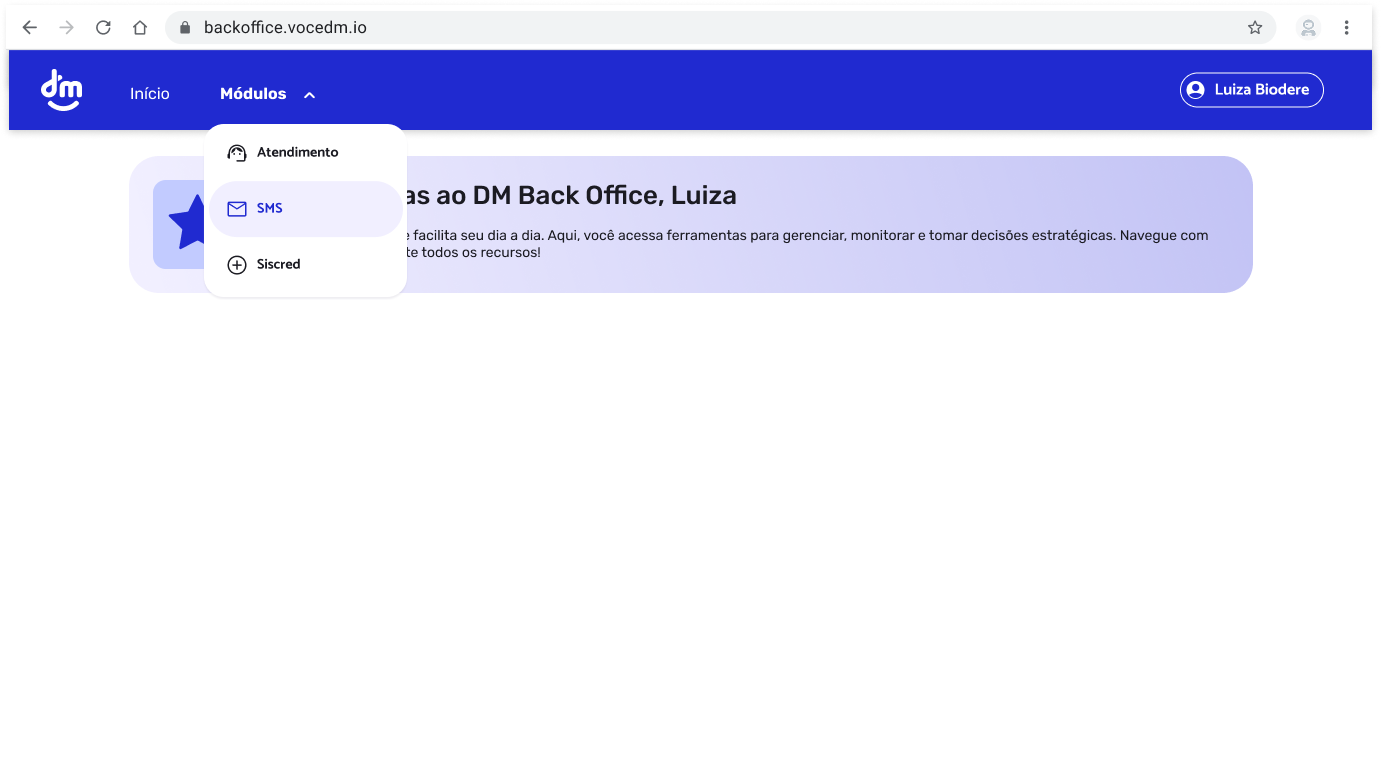
The platform uses a module-based navigation system (Atendimento, SMS, Siscred) accessible via a top dropdown menu. Each module contains its own sub-navigation and workflow, allowing operators to switch contexts without losing their place or data.
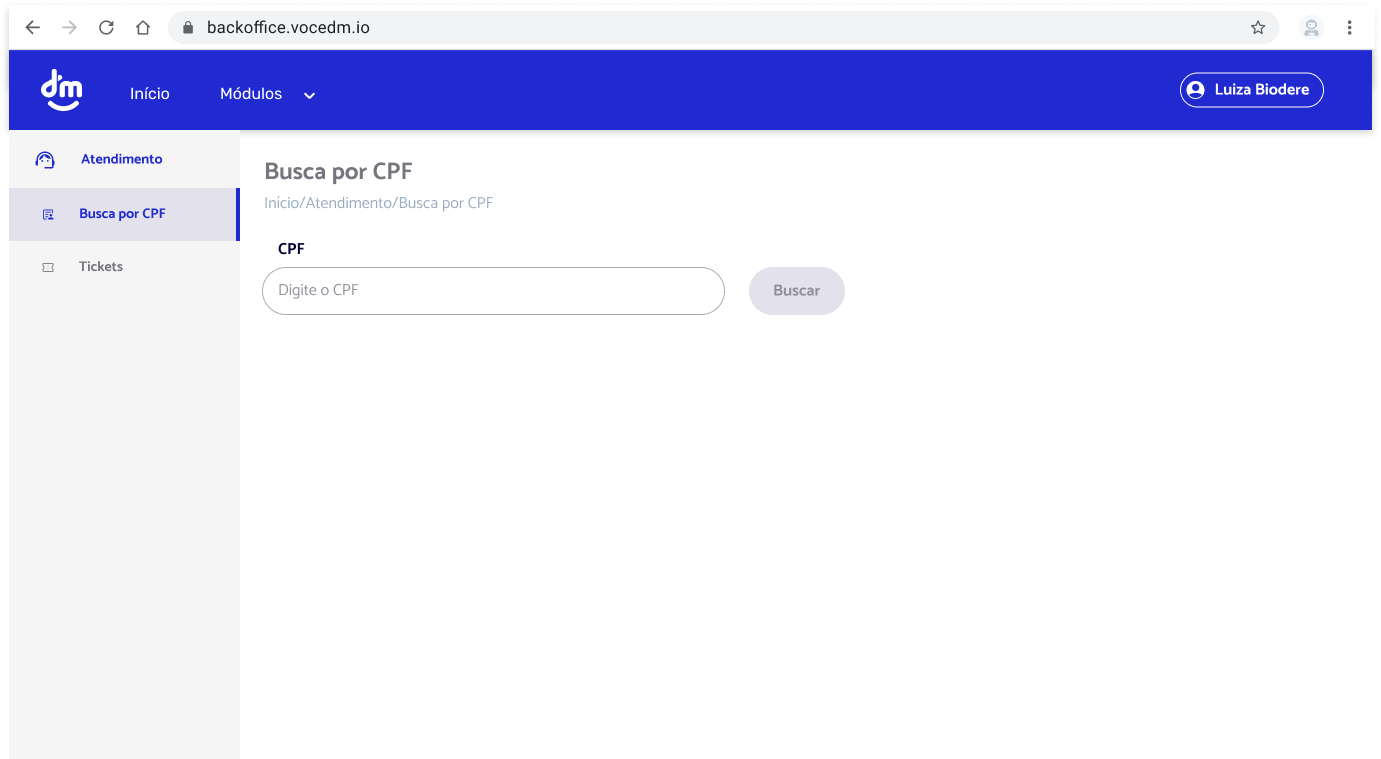
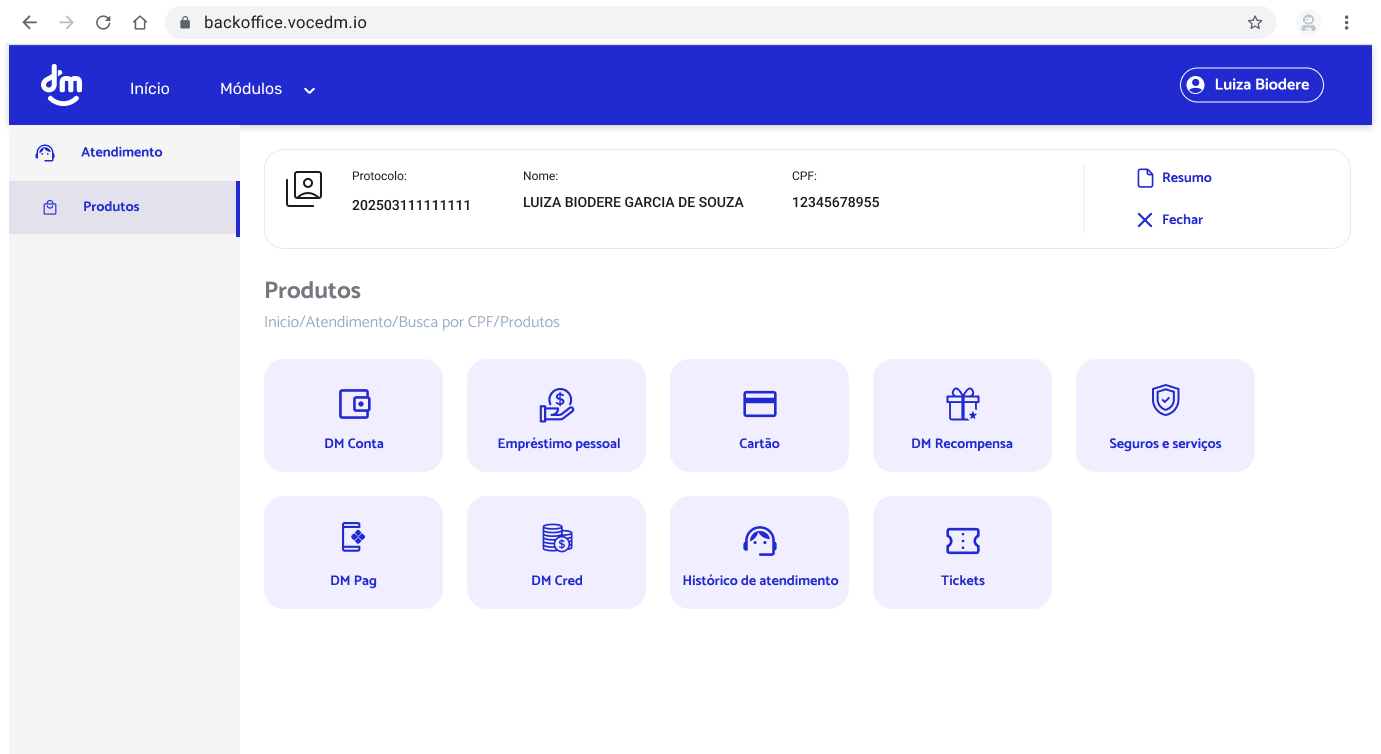
The Customer Service module provides a centralized hub for customer lookup. Operators search by CPF and instantly access all products (DM Conta, Empréstimo Pessoal, Cartão, DM Recompensa, Seguros, DM Pag, DM Cred, Histórico, Tickets) in a single view. Each product section has its own detailed sub-pages for summaries, statements, actions, and more.
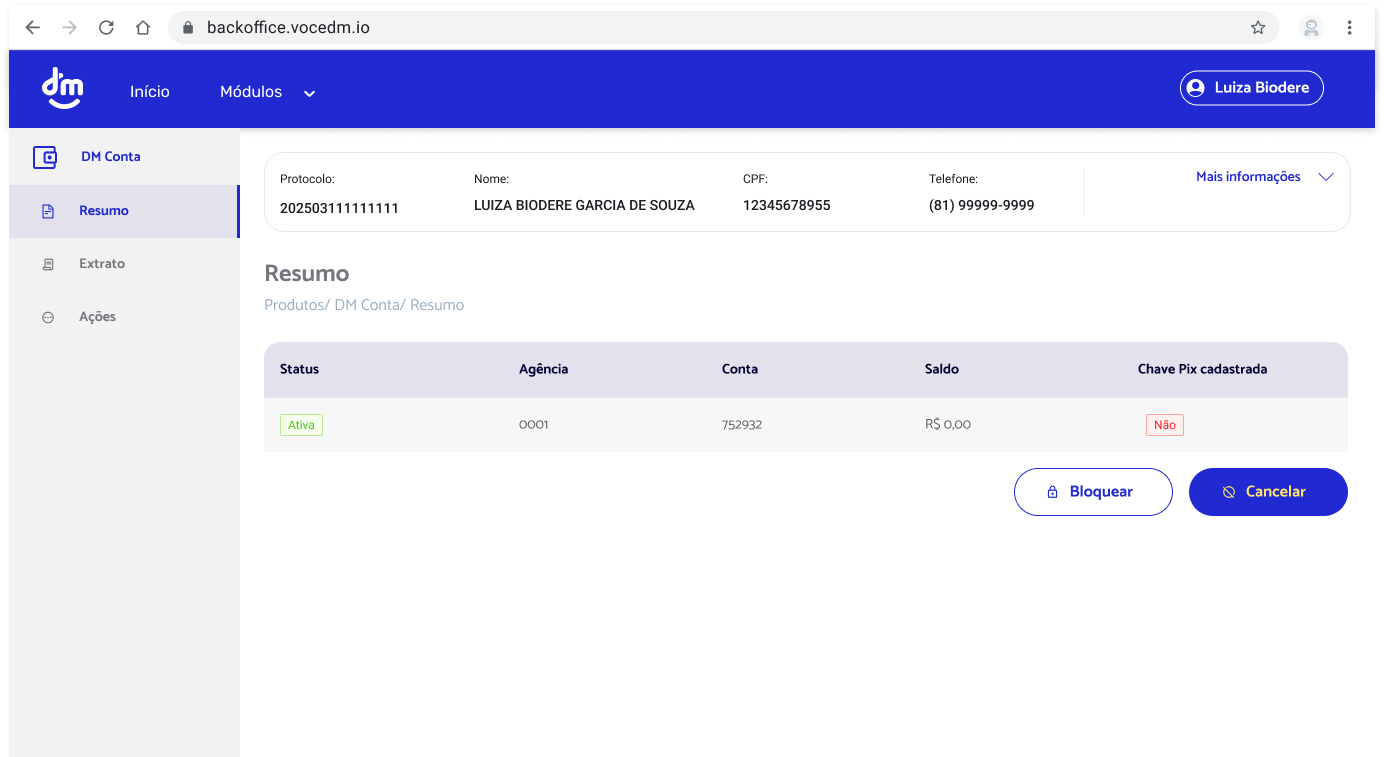
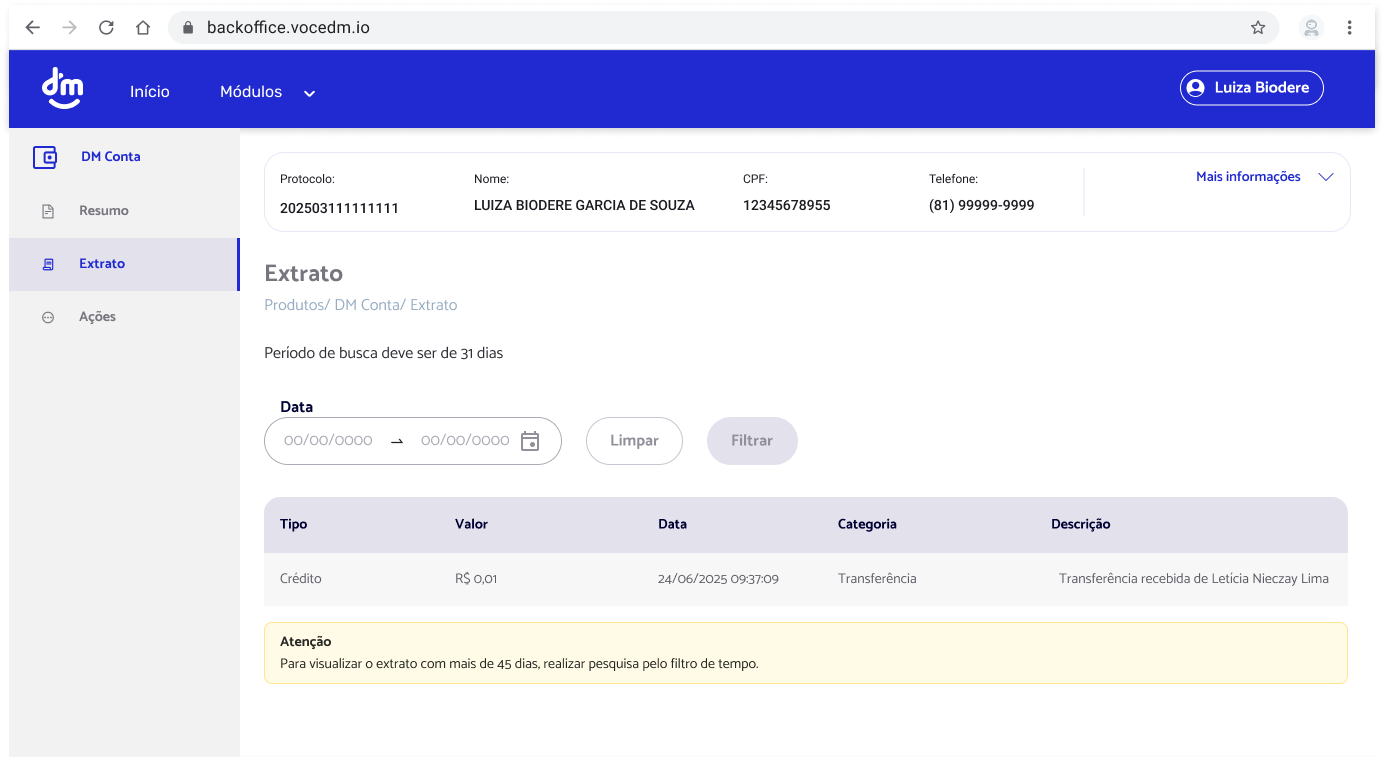
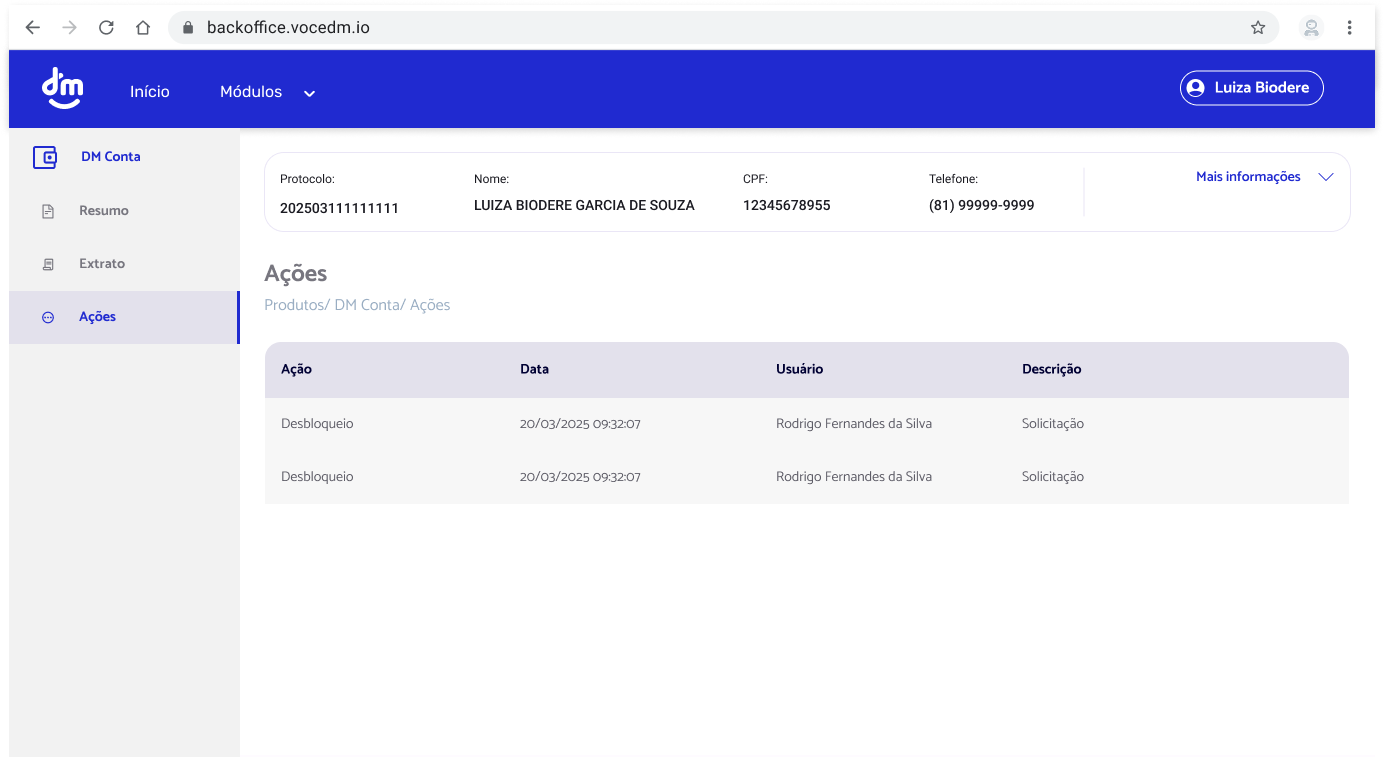
Deep-dive into individual customer accounts with summary views, transaction statements with date-range filters, and action logs with operator audit trails. Includes block/cancel actions with proper confirmation flows to ensure operator accountability.
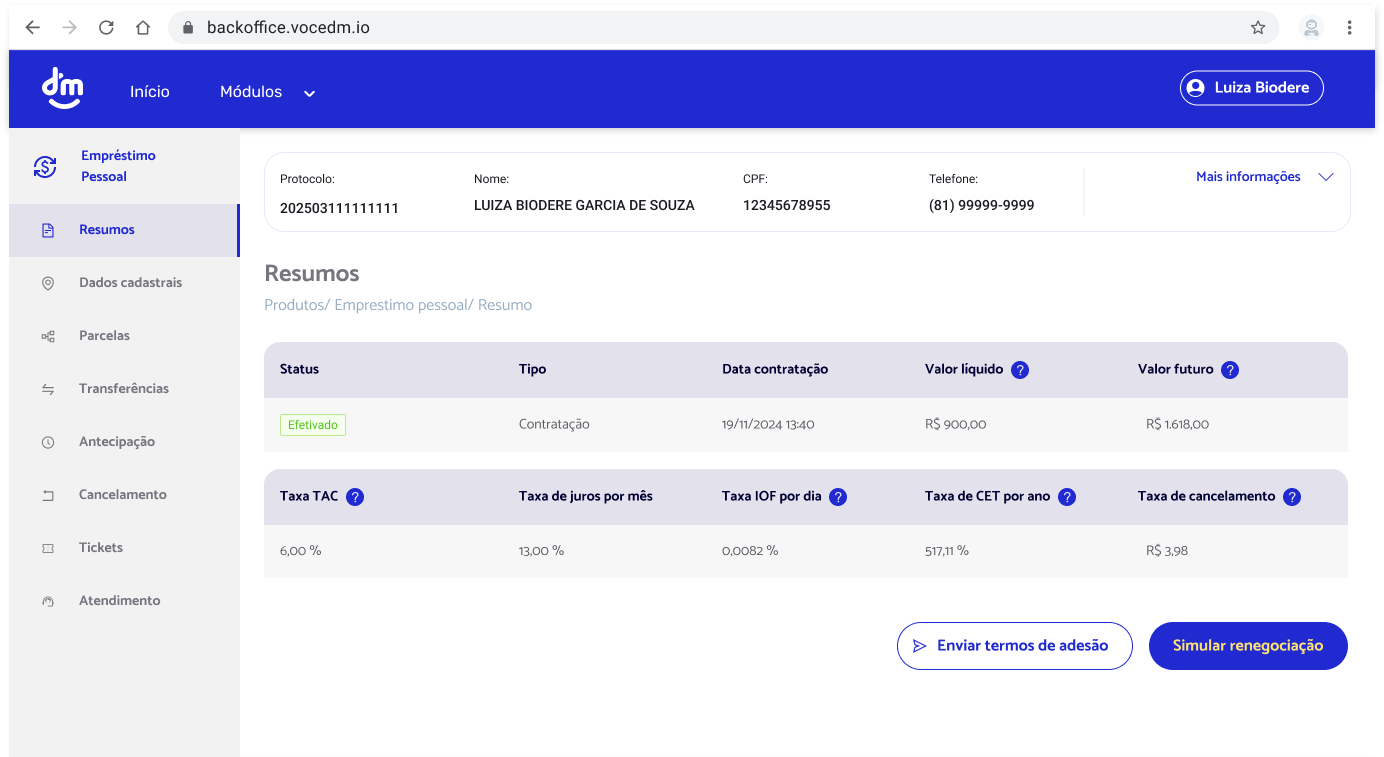
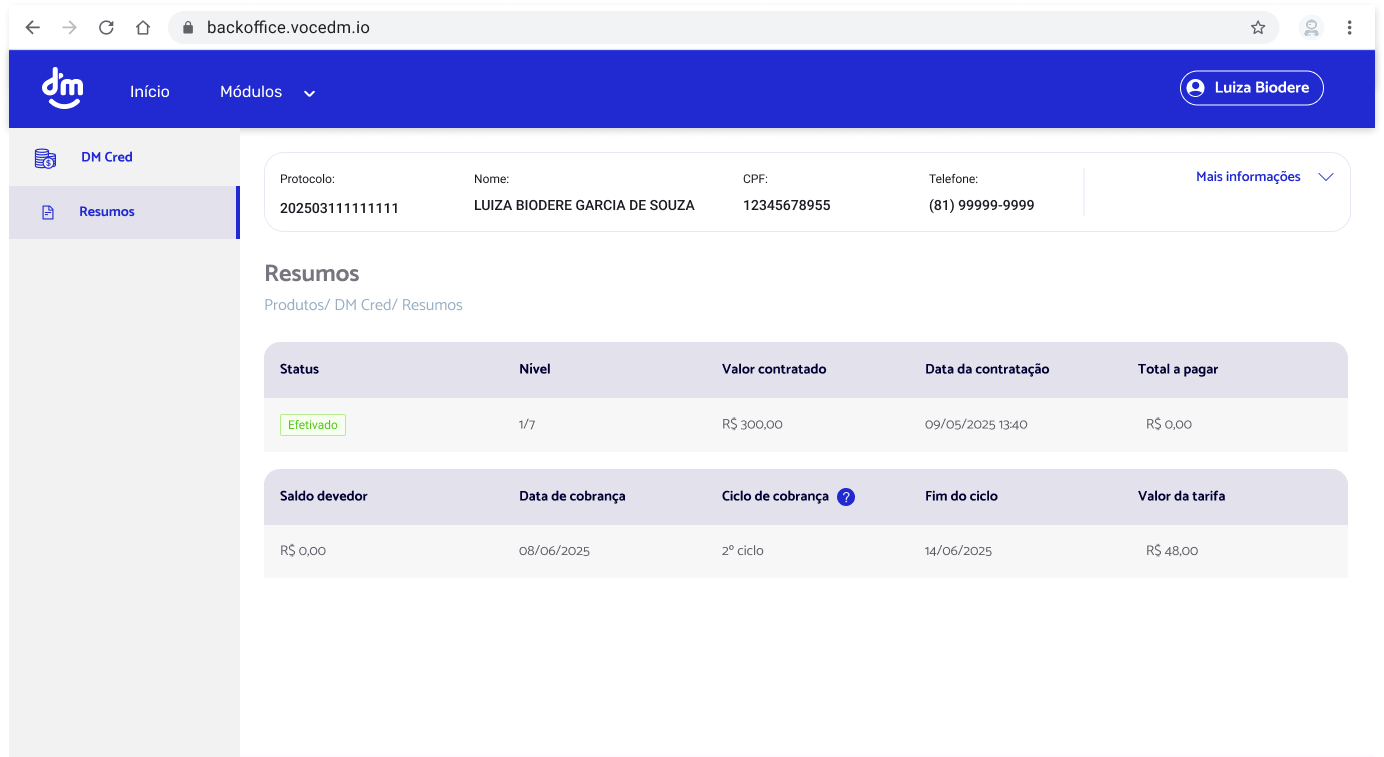
Comprehensive credit management with loan summaries, billing cycles, and payment tracking. Includes renegotiation simulation tools and terms sending capabilities to support complex credit operations workflows.
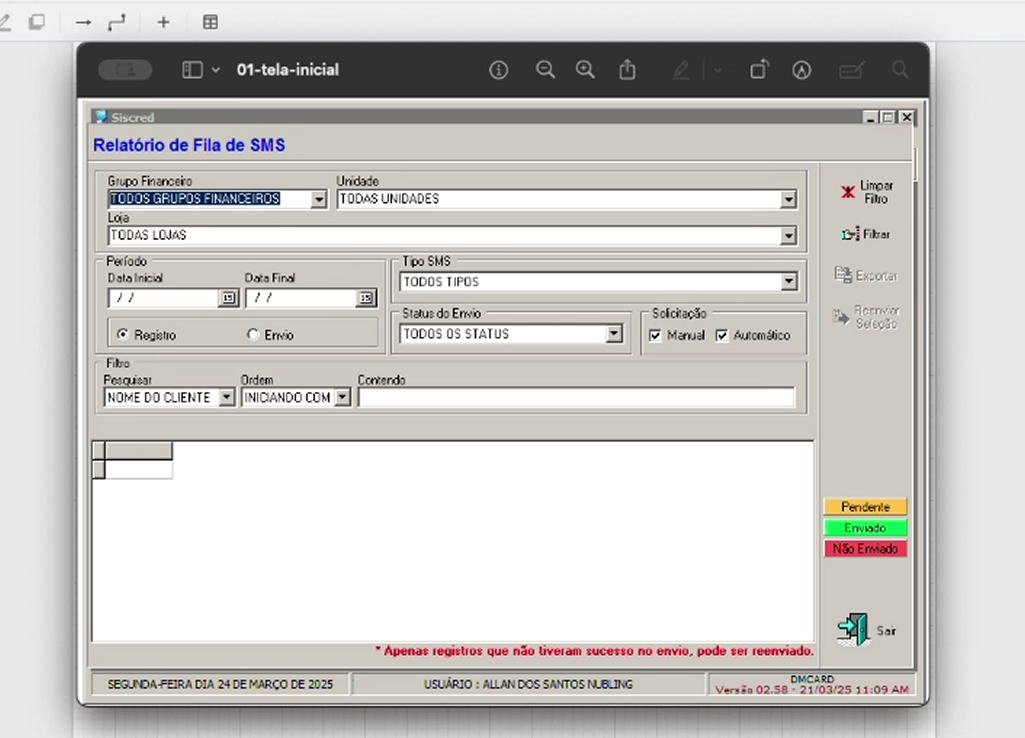
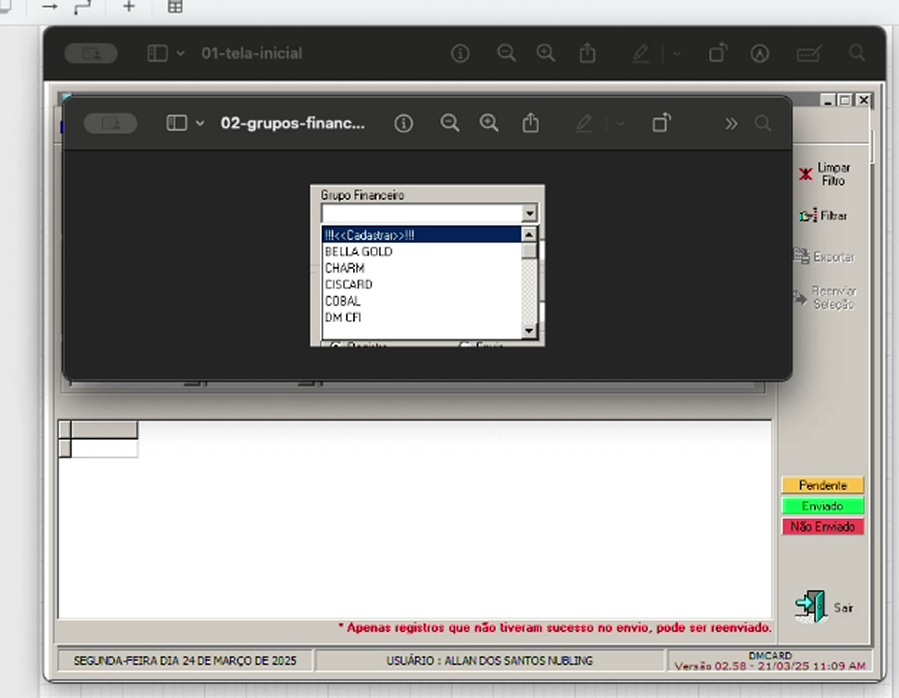
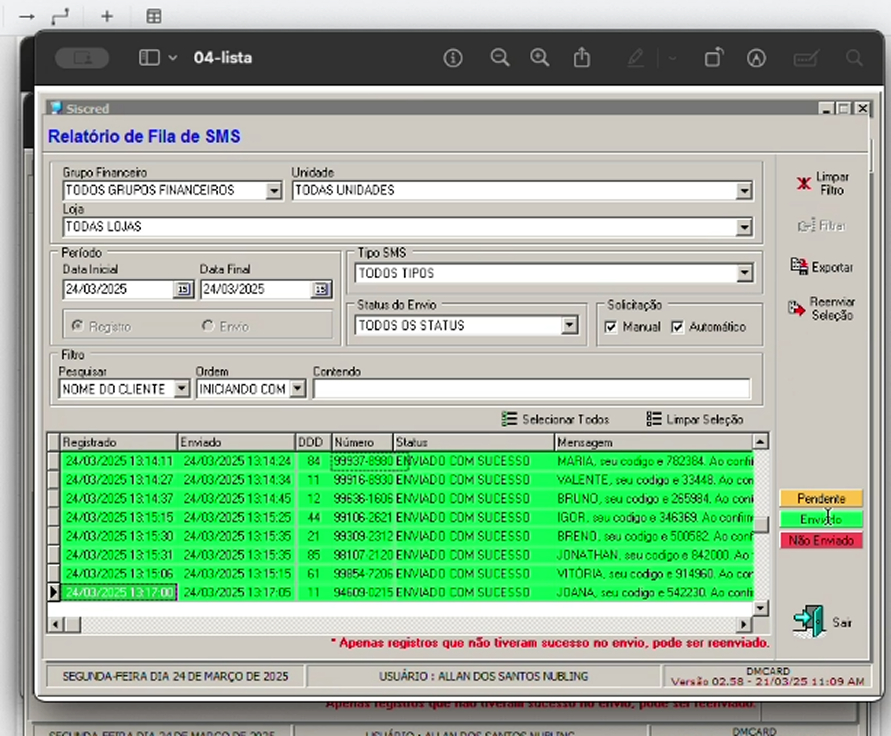
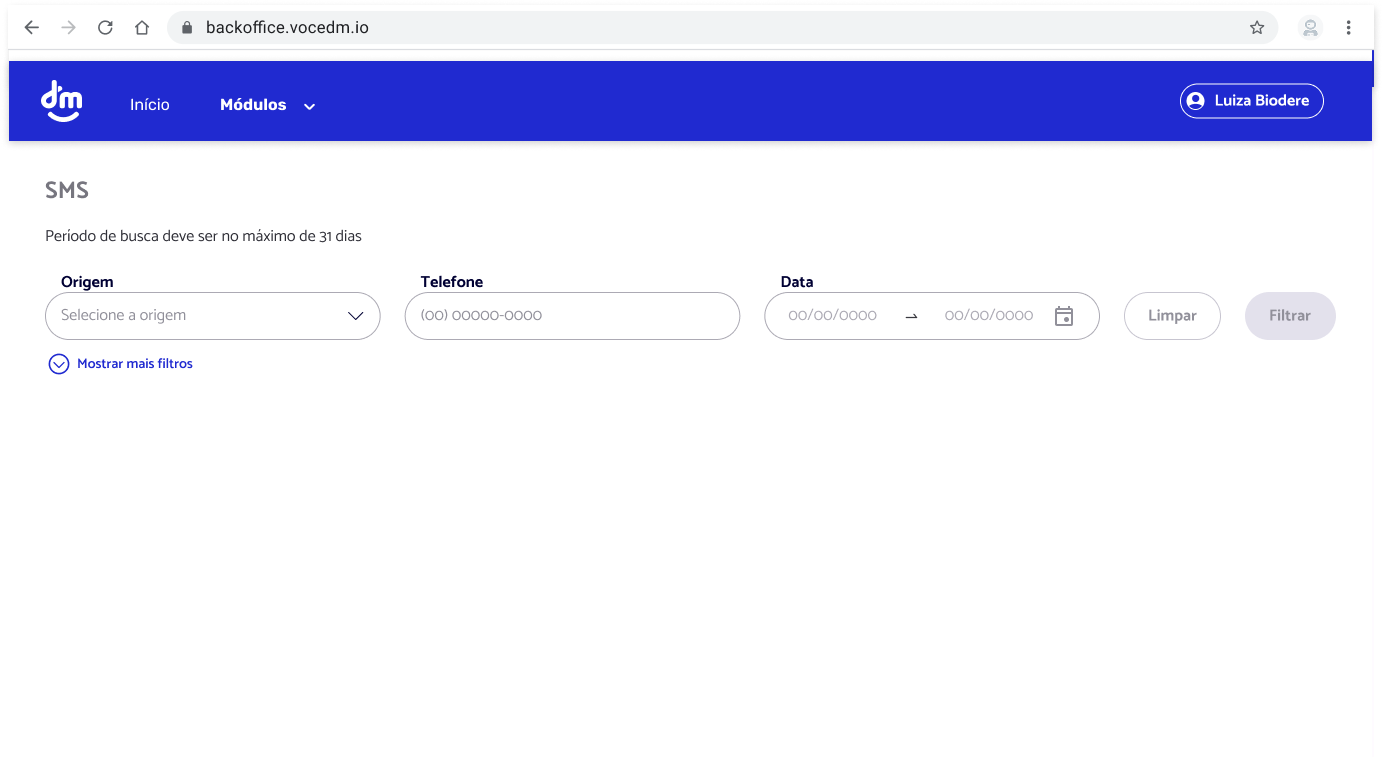
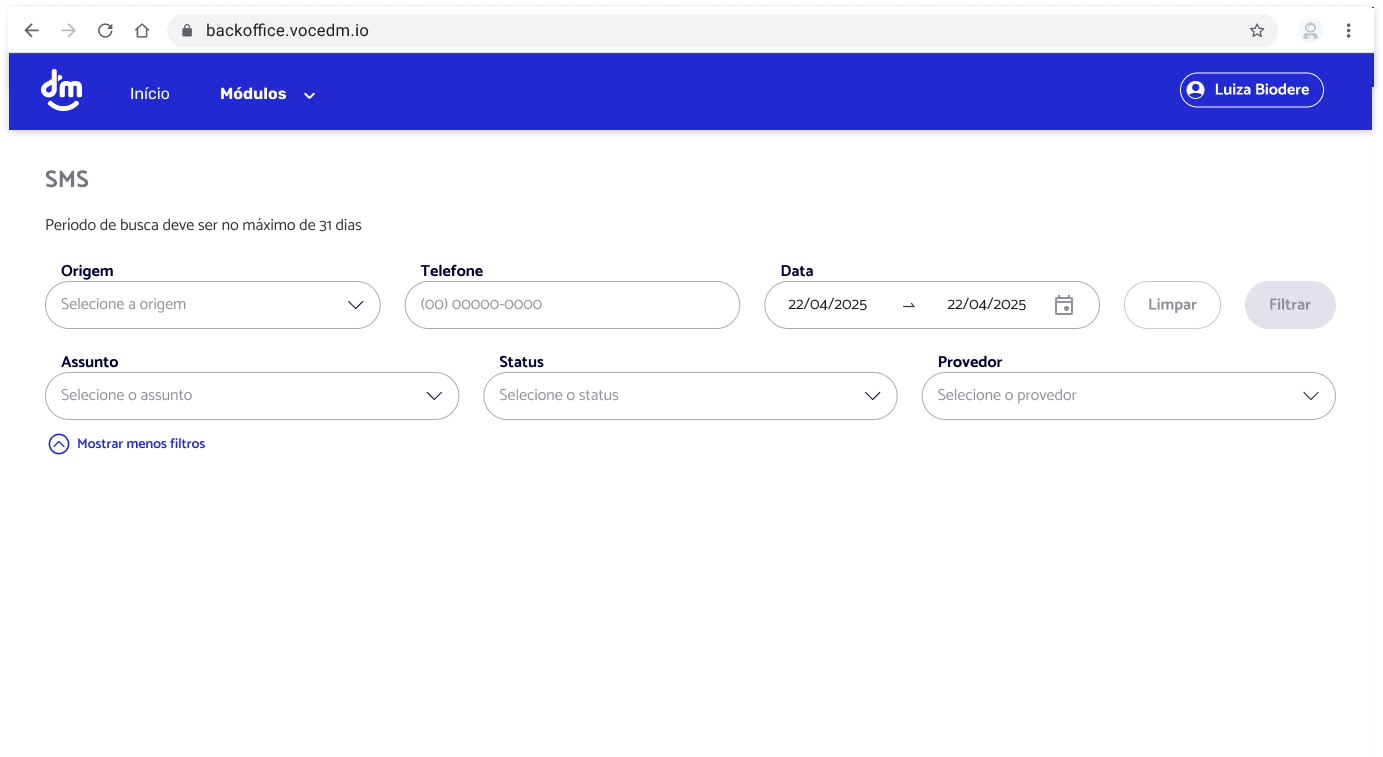
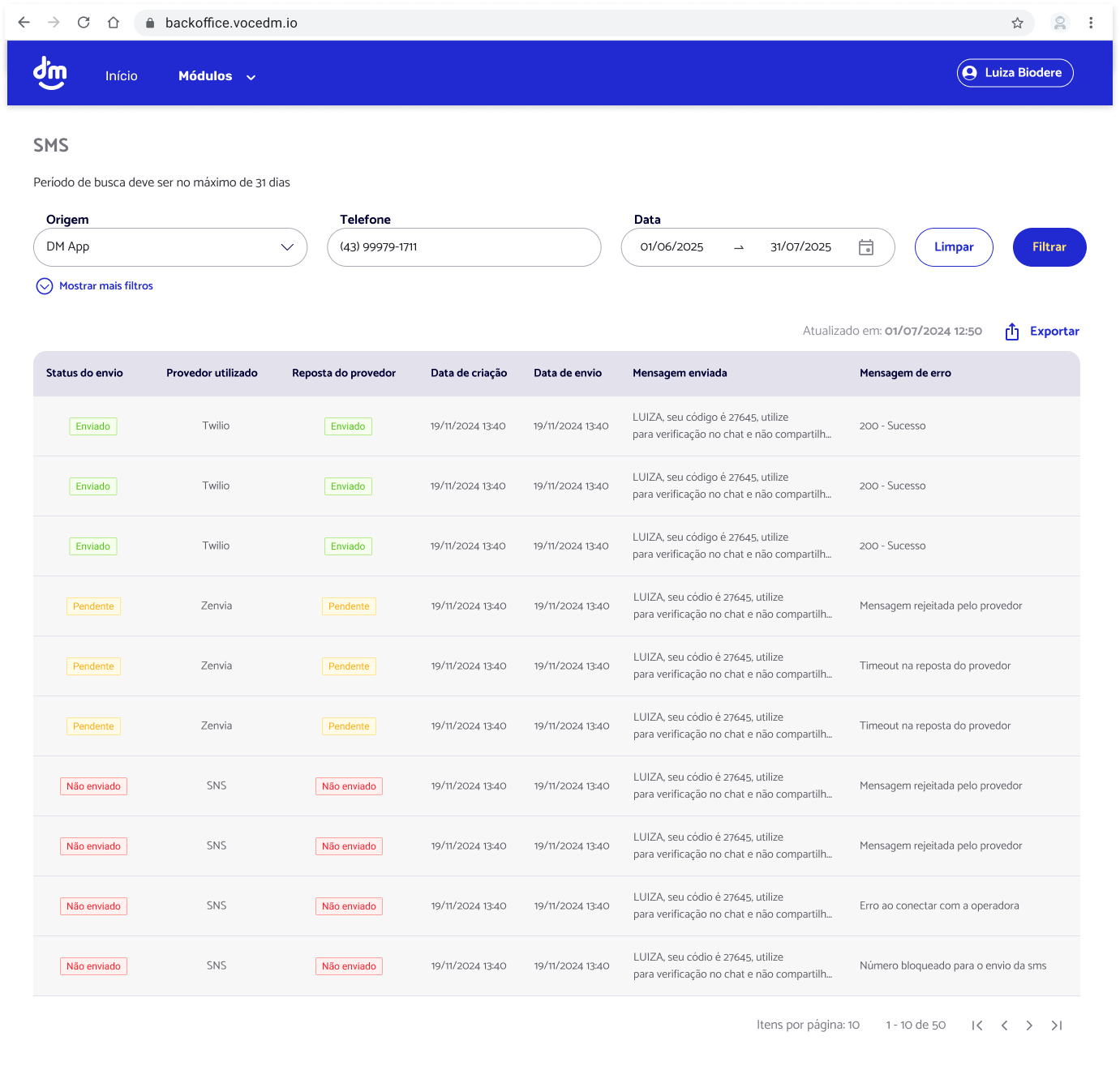
The redesigned SMS module replaces the legacy desktop tool with a modern web interface. Operators can now track all customer communications with advanced filtering (origin, phone, date range, subject, status, provider), progressive disclosure with expandable filters, and one-click data export — all in a clean, scannable layout that reduced average task completion time by 68%.
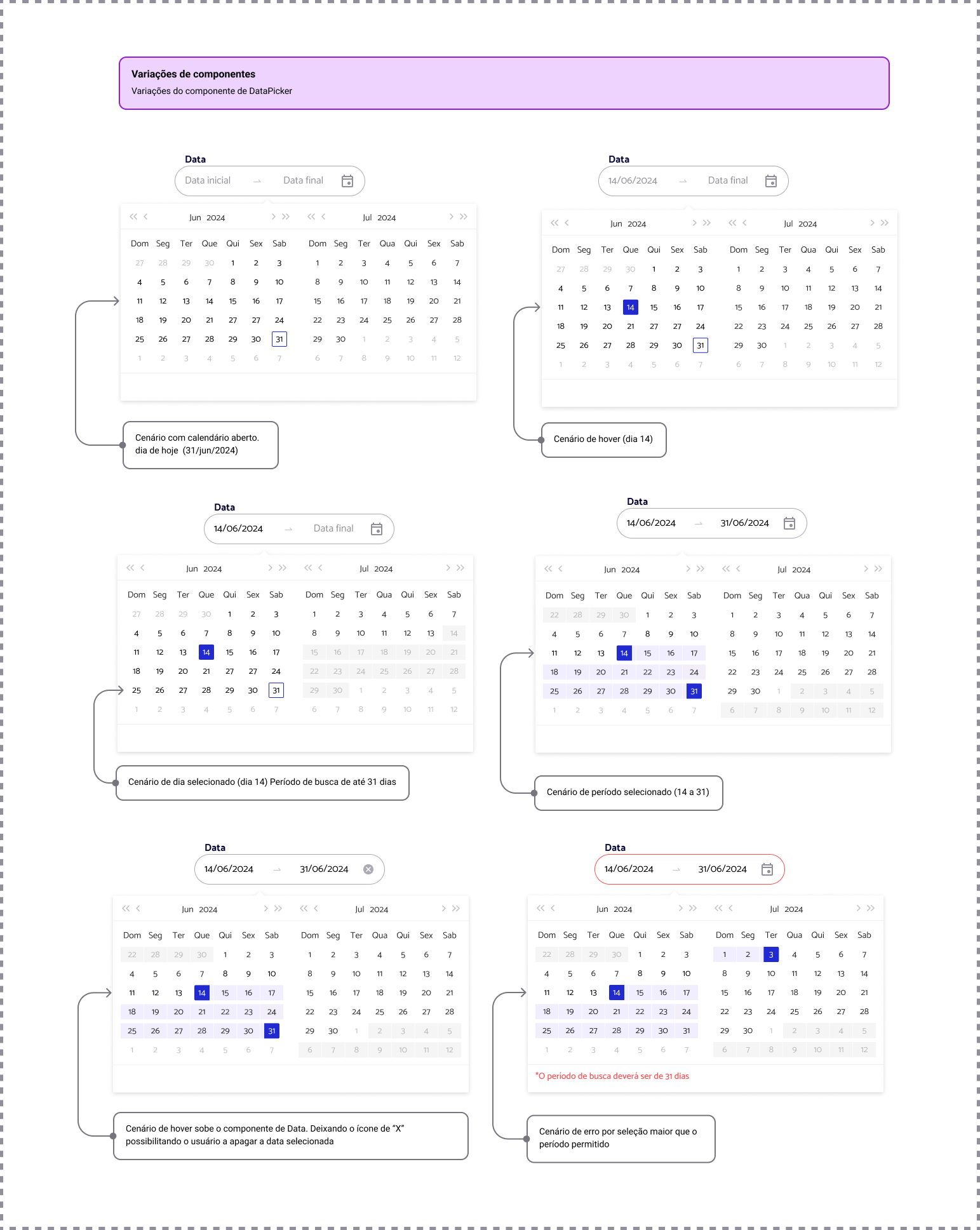
Every interactive component was designed with multiple states and edge cases. The date picker alone has 6 variations handling empty states, single selection, range selection, validation errors, and max-range constraints. This systematic approach ensures a polished, resilient experience.
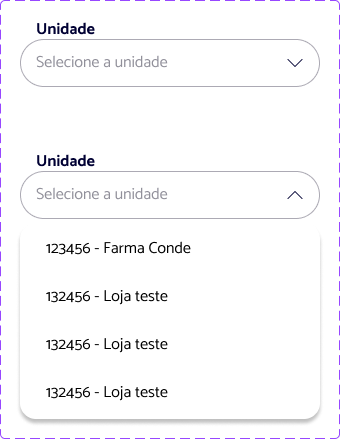
The core design tokens and component rules that ensure visual consistency across every module.
Primary Font
Catamaran
Aa
Light
Aa
Regular
Aa
Medium
Aa
SemiBold
Aa
Bold
Aa
ExtraBold
4px
8px
12px
16px
20px
24px
32px
48px
Default
Hovered
Focused
Active
Disabled
Filled
Outlined
Text
Tonal
Default
Hovered
Focused
Error
Disabled
Supporting text
Supporting text
Supporting text
Error message
Supporting text
With floating label
Label
Placeholder
Supporting text
Label
Placeholder
Supporting text
Label
Input value
Supporting text
Label
Input value
Error message
Label
Placeholder
Supporting text
The unified back office platform transformed DM's daily operations. By consolidating four fragmented systems into one cohesive experience, we eliminated redundant workflows, reduced training time by 58%, and gave operators a tool they could rely on. The SSO integration alone removed one of the biggest daily frustrations, while the modular dashboard architecture ensures the platform can scale as new services launch. This project proved that investing in internal tools has a direct, measurable impact on operational efficiency, employee satisfaction, and compliance — making it one of the most impactful initiatives at DM.
"The new platform completely changed how our team works. Before, we spent more time navigating between systems than actually helping customers. Now everything is in one place — it feels like the tool was finally built for us."
Product Owner
Back Office Platform
"From an operations standpoint, the impact was immediate. Onboarding new agents used to take over a week — now they're productive in two days. The design system keeps everything consistent, so there's less confusion and fewer escalations."
QA Engineer
Internal Tools Squad
This project reinforced that internal tools deserve the same design rigor as consumer-facing products. Want to see how design thinking can transform your team's operations?